Newmarket's BEST Hybrid Martial Arts Dojo!
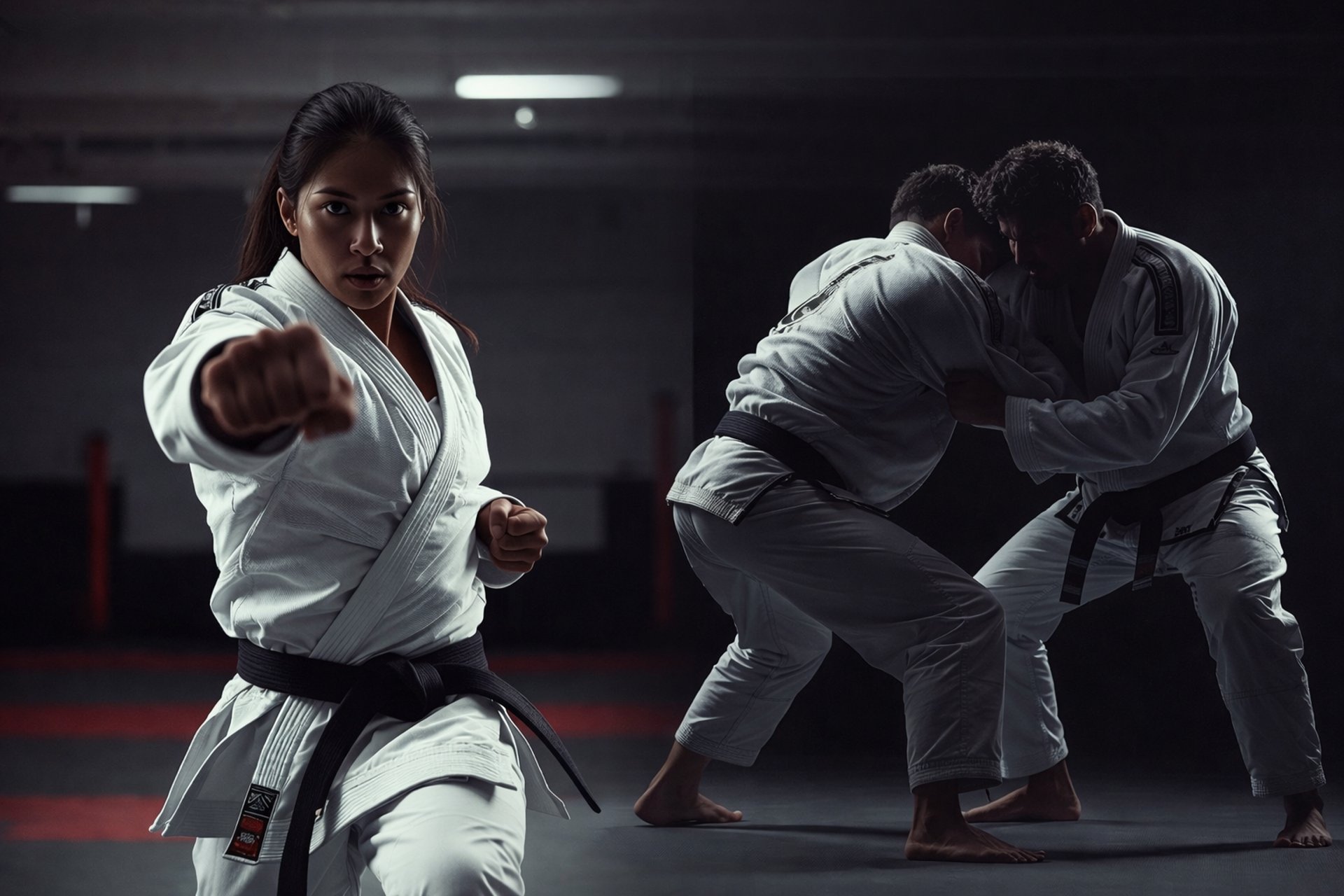
Martial Arts as a Productivity Hack: Why CEOs are Trading Golf for the Dojo
Successful executives are discovering that martial arts training delivers more than fitness. It sharpens focus, builds discipline, reduces stress, and improves decision-making—making the dojo an unexpected but powerful productivity tool.
3/10/20262 min read

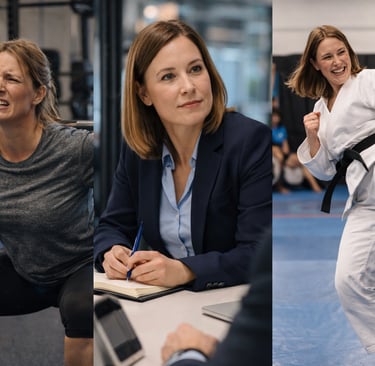
The Question: A common sentiment on LinkedIn and productivity subreddits like r/getdisciplined is: "I’m overwhelmed with work and feel burnt out. I want to exercise, but I don't have two hours to spend at a gym. Is martial arts just another distraction, or can it actually help my career?"
In the corporate world of 2026, "Hustle Culture" has been replaced by "High-Performance Longevity." Leaders have realized that staring at a screen for 12 hours produces diminishing returns. Surprisingly, the most effective "productivity hack" isn't a new app or a morning routine—it’s getting choked out or hitting pads. Here is why martial arts is the ultimate "brain-training" tool for the modern professional.
1. The "Flow State" Shortcut
Most knowledge work requires "Deep Work," but our brains are constantly interrupted by notifications.
The Dojo Difference: You cannot think about your unread emails when someone is trying to land a roundhouse kick on your ribs or apply a triangle choke.
The Result: Martial arts forces an immediate, intense "Flow State." This acts as a neurological reset. When you return to your desk after training, your brain has been cleared of "attention residue," allowing you to focus with a level of clarity that coffee can't provide.
2. Decision-Making Under Pressure
Business is often a series of high-stakes decisions made with limited information.
The Training Ground: Sparring is essentially high-speed problem-solving while under physical stress.
The Productivity Hack: By regularly practicing how to stay calm and breathe while a "problem" (your sparring partner) is actively pressing you, you "down-regulate" your nervous system. In the boardroom, a "crisis" no longer feels like an emergency; it just feels like another scramble you’ve already solved on the mats.
3. The "Third Space" Concept
Psychologists often talk about the importance of a "Third Space"—a place that is neither Home nor Work.
The Mental Shift: In 2026, the lines between "office" and "home" are blurred by remote work. The dojo provides a hard physical boundary.
The Ego Check: In your office, you might be the CEO or a Senior Manager. On the mats, you are just a "White Belt." This forced humility is a powerful antidote to burnout and "decision fatigue." It reminds you that there is always more to learn, keeping your mind sharp and adaptable.
Contact
Reach out for class info or bookings
Phone
© 2026. All rights reserved.