Newmarket's BEST Hybrid Martial Arts Dojo!
Why We Left "Traditional" Martial Arts Behind: The Jitsu-Do Philosophy
Many martial arts schools still treat styles as fixed traditions. Jitsu-Do takes a different path. Instead of protecting a single system, we focus on what actually works—blending effective techniques from striking, grappling, and modern training methods. This article explains why we moved beyond rigid tradition and how Jitsu-Do creates a more practical, adaptable path for today’s martial artists.
Shihan Michael Ginn, 4th Dan, Jitsu-Do Karate
3/10/20262 min read

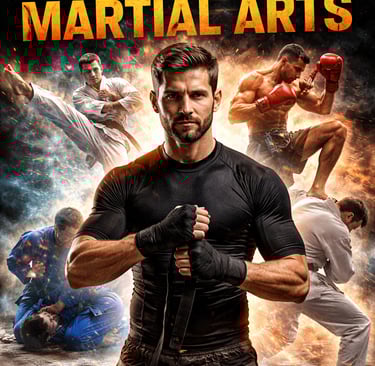
Karate, BJJ, Muay Thai, Judo, Wing Tsun… Why pick just one?
Most martial arts schools in the York Region are stuck in the 1970s. They teach students to use moves that don’t work, perform deep, knee-breaking stances, and memorize complex routines (Kata) that haven't been updated in decades. They focus on "winning" a trophy or looking good in a uniform.
But what happens when the situation isn't a tournament? What happens when you’re a 45-year-old professional just trying to stay healthy, or a parent wanting your child to be truly safe?
The Shift: Introducing Jitsu-Do Karate
After 25 years in traditional Chito-Ryu Karate, I realized something: Respecting tradition should never come at the cost of the student’s safety or time. I created Jitsu-Do Karate (literally "The Practical Way") to bridge the gap between traditional discipline and modern reality. Here is exactly what makes us different from every other dojo in Newmarket.
1. We Train "Not to Lose"
Most schools focus on winning—scoring a point or landing a flashy kick. In Jitsu-Do, we focus on not losing. That means our priority is simple, gross-motor movements that work under the stress of a real-world encounter. We favor takedowns that pacify an aggressor rather than causing unnecessary injury. We train you to survive the situation and get home to your family.
2. The "No-Fluff" Curriculum
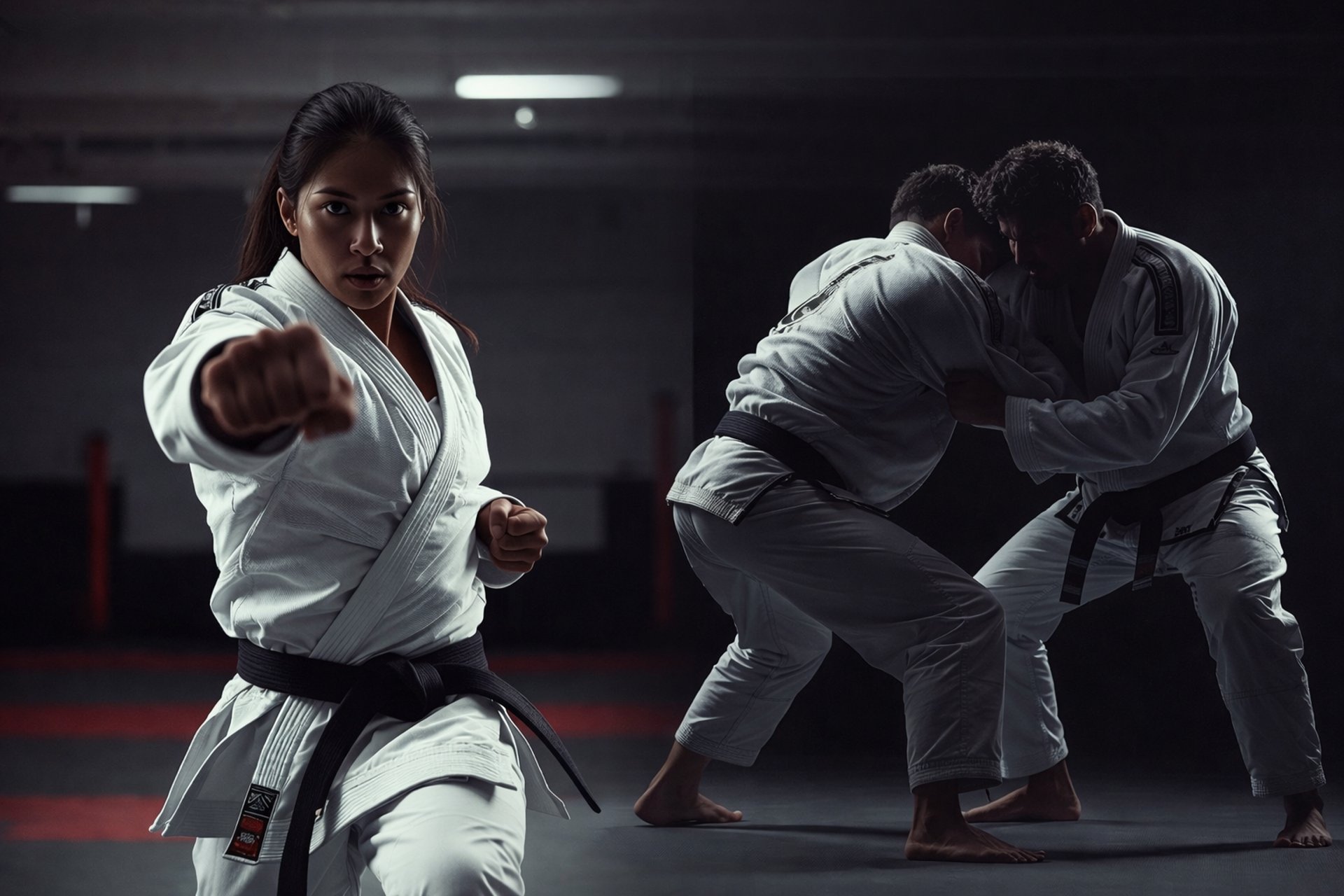
If a technique requires your opponent to "cooperate" or stand a certain way to work, we don't teach it. If a strike requires hitting with the tips of your fingers—risking a broken hand on a successful hit—we cut it out. We’ve replaced the "fluff" with a hybrid system that blends:
Karate/Wing Chun/Muay Thai for practical striking.
Judo & Wrestling for the clinch and takedowns.
Gracie Humaita BJJ for the "Gentle Art" of ground defense.
3. Sustainability: Martial Arts for Life (Not Just for the Young)
Traditional deep stances look cool in a form, but they destroy your hips and knees over time. Our students train in natural, athletic stances. This allows our members to train into their 80s. We don't want you to be a "broken-down" martial artist; we want you to be the healthiest version of yourself.
4. The "Safety First" Adult Entry
We know the biggest fear for adults is feeling out of place or getting hurt. This is why I personally work with every new adult student until they feel confident. We follow the "Trust the Tap" rule in BJJ—safety and mutual respect are our highest laws. You aren't thrown to the wolves here; you are welcomed into a tribe.
5. Individual Excellence over "Replicas"
I’m not interested in making 100 replicas of myself. I want to help you find a style that works for your body, your height, and your strengths. Whether it’s in our standard classes or our specialized Inclusion program for children with neurodiversity, we meet you where you are.
Contact
Reach out for class info or bookings
Phone
© 2026. All rights reserved.